top of page

Celebrating The Animal Kingdom Striped Icons

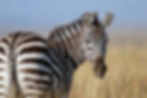
Every year on January 31, animal lovers around the world come together to celebrate International Zebra Day, a day dedicated to raising awareness about one of nature’s most striking and fascinating creatures. Zebras, with their unmistakable black-and-white stripes, are not only a symbol of Africa’s diverse wildlife but also play a crucial role in their ecosystems. This day is an opportunity to appreciate their beauty, understand their significance, and take action to protect them from the growing threats they face.


Zebras, members of the equid family alongside horses and donkeys, are native to Africa and are known for their distinctive patterns. What makes their stripes so intriguing is that no two zebras share the same pattern, much like human fingerprints. Scientists continue to study the purpose of these unique markings, with theories ranging from camouflage and predator confusion to temperature regulation and social signalling. Beyond their aesthetic appeal, zebras have evolved as resilient animals that thrive in the challenging environments of the African savannahs, grasslands, and mountainous regions.


There are three main species of zebra: the plains zebra, the mountain zebra, and the Grevy’s zebra. While the plains zebra is the most common, the mountain and Grevy’s zebras are classified as endangered. Habitat loss, climate change, and poaching have significantly impacted their populations.


International Zebra Day serves as a vital reminder of the urgent need for conservation efforts to ensure these species continue to thrive.
Organisations around the globe use this day to spotlight the threats zebras face and to advocate for protective measures that safeguard their future.

One of the most pressing issues affecting zebras is habitat destruction. Expanding human settlements, agriculture, and infrastructure development have encroached on the natural habitats of zebras, forcing them into smaller and more fragmented areas. This disruption not only reduces their access to food and water but also increases their vulnerability to predators and poachers. In many parts of Africa, zebras are hunted for their skins and meat, despite efforts to curb illegal poaching. Conservation groups working in regions like Kenya and Namibia have been instrumental in protecting zebra populations through anti-poaching initiatives and habitat restoration projects.


International Zebra Day is not just about raising awareness but also about celebrating the important role zebras play in their ecosystems. As grazers, they help maintain the balance of grasslands by consuming vegetation and preventing overgrowth, which benefits other herbivores and contributes to the overall health of the ecosystem. Their migratory patterns also help fertilise soil, as their droppings spread nutrients across vast areas. In this way, zebras are essential to the biodiversity of their habitats, making their conservation critical to the health of the African wilderness.


The day also highlights the importance of education and community involvement in zebra conservation. Many wildlife organisations partner with local communities, providing education and resources to foster a sense of stewardship for these animals. Eco-tourism, for instance, has become an effective tool in conservation, generating income for communities while promoting sustainable practices that protect wildlife. Tourists who visit national parks and reserves not only have the chance to witness zebras in their natural habitats but also contribute directly to conservation efforts through park fees and donations.


International Zebra Day is a call to action for individuals, communities, and governments worldwide to prioritise the protection of these iconic animals. It reminds us that conservation is a shared responsibility and that even small actions can make a significant impact. For instance, supporting organisations that work to protect zebras, spreading awareness about their plight, or even choosing sustainable travel options can contribute to safeguarding their future.


It is also a day to marvel at the beauty and wonder of zebras. Their resilience, social structures, and adaptability are a testament to the intricacy of the natural world. Watching a herd of zebras graze together, their stripes shimmering in the sunlight, is a sight that inspires awe and reminds us of the importance of preserving our planet’s biodiversity.


As we observe International Zebra Day, let us not only celebrate these magnificent creatures but also reflect on the challenges they face.


By working together to protect zebras and their habitats, we ensure that future generations can continue to admire their beauty and learn from their resilience.
Through awareness, education, and action, we can help secure a future where zebras roam freely across the landscapes they have called home for millennia.
Most Read

Family Business Founders Awarded Freedom Of The City Of London

Family Business Founders Awarded Freedom Of The City Of London

Dan Drogman and Tom Drogman, co-founders of Smart Spaces, have been made Freemen of the City of London, in recognition of their contribution to the City, innovation in the built environment, and international business leadership.

Leonard Curtis Secures £15M Finance Deal For Charles Trent

Leonard Curtis Secures £15M Finance Deal For Charles Trent

Leonard Curtis has secured a £15 million refinancing and growth facility for Charles Trent Limited, providing increased working capital and long-term headroom to support continued expansion, investment in innovation and the scaling of its circular-economy operations.

Bechtel Secures Contract Extension At Waste Isolation Pilot Plant

Bechtel Secures Contract Extension At Waste Isolation Pilot Plant

Bechtel announced it received a three-year extension from the U.S. Department of Energy (DOE) to continue managing and operating the Waste Isolation Pilot Plant (WIPP) in Carlsbad, New Mexico.

Categories

  • Writer: Paul Andrews - CEO Family Business United
    Paul Andrews - CEO Family Business United
  • Jan 31, 2025
  • 3 min read

Every year on January 31, animal lovers around the world come together to celebrate International Zebra Day, a day dedicated to raising awareness about one of nature’s most striking and fascinating creatures. Zebras, with their unmistakable black-and-white stripes, are not only a symbol of Africa’s diverse wildlife but also play a crucial role in their ecosystems. This day is an opportunity to appreciate their beauty, understand their significance, and take action to protect them from the growing threats they face.


Zebras, members of the equid family alongside horses and donkeys, are native to Africa and are known for their distinctive patterns. What makes their stripes so intriguing is that no two zebras share the same pattern, much like human fingerprints. Scientists continue to study the purpose of these unique markings, with theories ranging from camouflage and predator confusion to temperature regulation and social signalling. Beyond their aesthetic appeal, zebras have evolved as resilient animals that thrive in the challenging environments of the African savannahs, grasslands, and mountainous regions.


There are three main species of zebra: the plains zebra, the mountain zebra, and the Grevy’s zebra. While the plains zebra is the most common, the mountain and Grevy’s zebras are classified as endangered. Habitat loss, climate change, and poaching have significantly impacted their populations.


International Zebra Day serves as a vital reminder of the urgent need for conservation efforts to ensure these species continue to thrive.
Organisations around the globe use this day to spotlight the threats zebras face and to advocate for protective measures that safeguard their future.

One of the most pressing issues affecting zebras is habitat destruction. Expanding human settlements, agriculture, and infrastructure development have encroached on the natural habitats of zebras, forcing them into smaller and more fragmented areas. This disruption not only reduces their access to food and water but also increases their vulnerability to predators and poachers. In many parts of Africa, zebras are hunted for their skins and meat, despite efforts to curb illegal poaching. Conservation groups working in regions like Kenya and Namibia have been instrumental in protecting zebra populations through anti-poaching initiatives and habitat restoration projects.


International Zebra Day is not just about raising awareness but also about celebrating the important role zebras play in their ecosystems. As grazers, they help maintain the balance of grasslands by consuming vegetation and preventing overgrowth, which benefits other herbivores and contributes to the overall health of the ecosystem. Their migratory patterns also help fertilise soil, as their droppings spread nutrients across vast areas. In this way, zebras are essential to the biodiversity of their habitats, making their conservation critical to the health of the African wilderness.


The day also highlights the importance of education and community involvement in zebra conservation. Many wildlife organisations partner with local communities, providing education and resources to foster a sense of stewardship for these animals. Eco-tourism, for instance, has become an effective tool in conservation, generating income for communities while promoting sustainable practices that protect wildlife. Tourists who visit national parks and reserves not only have the chance to witness zebras in their natural habitats but also contribute directly to conservation efforts through park fees and donations.


International Zebra Day is a call to action for individuals, communities, and governments worldwide to prioritise the protection of these iconic animals. It reminds us that conservation is a shared responsibility and that even small actions can make a significant impact. For instance, supporting organisations that work to protect zebras, spreading awareness about their plight, or even choosing sustainable travel options can contribute to safeguarding their future.


It is also a day to marvel at the beauty and wonder of zebras. Their resilience, social structures, and adaptability are a testament to the intricacy of the natural world. Watching a herd of zebras graze together, their stripes shimmering in the sunlight, is a sight that inspires awe and reminds us of the importance of preserving our planet’s biodiversity.


As we observe International Zebra Day, let us not only celebrate these magnificent creatures but also reflect on the challenges they face.


By working together to protect zebras and their habitats, we ensure that future generations can continue to admire their beauty and learn from their resilience.
Through awareness, education, and action, we can help secure a future where zebras roam freely across the landscapes they have called home for millennia.

Most Read

Family Business Founders Awarded Freedom Of The City Of London

Family Business Founders Awarded Freedom Of The City Of London

Dan Drogman and Tom Drogman, co-founders of Smart Spaces, have been made Freemen of the City of London, in recognition of their contribution to the City, innovation in the built environment, and international business leadership.

Leonard Curtis Secures £15M Finance Deal For Charles Trent

Leonard Curtis Secures £15M Finance Deal For Charles Trent

Leonard Curtis has secured a £15 million refinancing and growth facility for Charles Trent Limited, providing increased working capital and long-term headroom to support continued expansion, investment in innovation and the scaling of its circular-economy operations.

Bechtel Secures Contract Extension At Waste Isolation Pilot Plant

Bechtel Secures Contract Extension At Waste Isolation Pilot Plant

Bechtel announced it received a three-year extension from the U.S. Department of Energy (DOE) to continue managing and operating the Waste Isolation Pilot Plant (WIPP) in Carlsbad, New Mexico.

Categories

Barratt And David Wilson Homes Launch £63K Community Fund

Barratt And David Wilson Homes Launch £63K Community Fund

As Scotland kicks off a landmark year of sport, charitable organisations across the country are invited to apply for a share of a £63,000 fund from Barratt and David Wilson Homes.

Johnston Carmichael Announces Strategic Partnership

Johnston Carmichael Announces Strategic Partnership

Johnston Carmichael has agreed a new partnership with STAC (Smart Things Accelerator Centre), underlining the firm’s commitment to Scotland’s innovation economy and supporting the next generation of tech entrepreneurs.

‘Record Start’ As MSP Capital Set To Convert £122M Enquiries

‘Record Start’ As MSP Capital Set To Convert £122M Enquiries

Property finance specialist MSP Capital is on track for more growth amid an exceptional rise in demand for its lending solutions from housing developers and other borrowers.

Recent Posts

bottom of page