

Nearly 90% of rural family businesses have paused investment, and in some cases, are actively devaluing their businesses to avoid triggering tax bills they can’t afford, stark new polling by the CLA reveals.
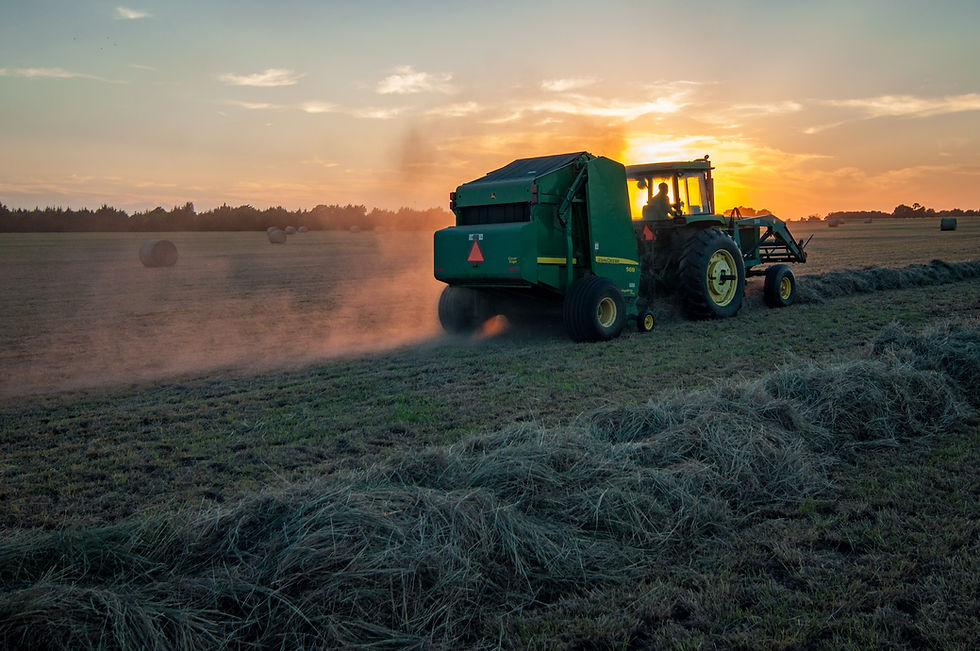
Respondents describe being forced to cancel the creation of holiday homes, put off buying new machinery, stop growing crops, delay building reservoirs needed to cope with drought, and even allow buildings and land to deteriorate.
As one respondent says:
“I am doing everything I can to devalue my business to reduce the tax burden for my children.”
Of those who say they’ve cancelled investment, more than a third have shelved projects worth over £150K, while 64% have abandoned plans worth over £50K.
While government says the updated £2.5 million relief allowance means most family businesses will not be affected, nearly 85% of respondents said the allowance is not enough to cover the value of their business, citing the rising cost of machinery, livestock and crops.
Instead, the findings reveal family-run businesses, typically asset-rich but cash-poor – would be forced into a cycle of asset sales or debt to cover this tax, undermining the long-term viability of the rural economy, jobs and communities.
Nearly 50% say they’d have to sell at least a quarter of their land to cover the bill, with one in four saying they’d have to sell over half.
This comes as farmers face dwindling incomes after a string of poor harvests, with the average farm earning just £29,800 in 2025. Seven in ten now say they are worried their family business will not survive the next ten years, with 29% saying they are seriously considering leaving the farming industry in the next five years.
As the budget looms, the CLA is calling on Burnham and Chancellor Healey to scrap inheritance tax reforms, warning that the current policy is forcing family businesses to shrink simply to survive and undermining growth and job opportunities across rural Britain.
Gavin Lane, CLA President, said:
“We’ve warned for years that the logic behind this tax is perverse and self-defeating. Now the data proves why. Families who’ve spent decades building up their businesses are being forced to shrink them down again just to keep hold of them. They are scaling back ambitions, letting buildings deteriorate, and stripping out value, all to pass on businesses that may no longer be profitable."
“Burnham says he wants growth in every postcode. But this will be impossible until he reverses the tax actively destroying it. Family businesses want a leader who can help them invest and expand and drive forward the economy."
At the next budget, Burnham has a chance to prove he’s more serious on growth than his predecessors. He must reverse the tax, deliver a proper rural reset, and get the countryside moving again.”